Healthy veins work quietly. They ferry blood from your legs back to your heart, uphill and against gravity, using one-way valves and the squeeze of your calf muscles. When those valves weaken or fail, pressure climbs, fluid leaks into tissues, and symptoms show up in ways that people often dismiss as simple aging or a long day on their feet. A timely visit with a vein screening specialist can untangle what is cosmetic, what is medical, and what actually needs treatment before it escalates.
I have practiced as a vein and vascular doctor long enough to see the same pattern over and over. Patients arrive for a small spider vein, but tell me they punted on that appointment for years. When we check, we find venous reflux feeding the cosmetic issue and, more important, causing swelling, aching, or skin changes. Early detection turns a major fix into a minor one. It also prevents complications like venous ulcers, a problem that steals mobility and time.
Why early screening really matters
Vein disease rarely flips a switch overnight. It creeps. First, evening heaviness and ankle swelling after travel. Next year, a bulging varicose vein appears, then cramping that wakes you from sleep. In its later stages, the skin around the ankle can darken, harden, and thin. A small bump opens a wound that will not close for months. If we screen and treat at the earlier points, we cut the risk of these downstream issues and shorten recovery when treatment is needed.

Screening is not just about varicose veins. A careful evaluation can flag clot risk, detect venous obstruction after an old deep vein thrombosis, and separate nerve pain or arthritis from true vascular causes. A leg circulation doctor deals with both arteries and veins. A vein health specialist focuses on the low pressure venous side, which, despite the name, disables far more patients than many realize.
Signs your legs are asking for help
People often wait until a vein is visibly enlarged to schedule a consult. Symptoms usually precede the showy bulge. If any of these sound familiar for more than six to eight weeks, a vein assessment is reasonable:
- Aching, heaviness, or throbbing in the calves that worsens as the day goes on and eases with elevation Swelling around the ankles or lower legs, especially in the evening, that leaves sock marks Itching or burning over visible leg veins, or restless legs tied to standing time Skin changes around the ankles, such as redness, brownish discoloration, thickening, or eczema-like rashes A nonhealing sore near the ankle, or a history of superficial phlebitis, tender cords, or unexplained leg tenderness
Spider veins can be purely cosmetic, and many are. But clusters around the inner knee or ankle sometimes mark a deeper reflux pattern. A brief session with a vein screening specialist or venous specialist doctor will sort that out quickly.
Who exactly should you see?
The titles can confuse. A vein screening specialist may be a vascular medicine doctor, an interventional vein doctor trained in minimally invasive therapy, a vascular surgeon with a vein-focused practice, or a medical phlebology specialist. In larger centers, a comprehensive vein doctor works alongside registered vascular technologists who perform ultrasound. You will also see clinics staffed by a vein care physician who splits time between arterial and venous work, and a vein treatment provider focused on office-based procedures.
Credentials matter, yet experience and process matter more. Look for a vein treatment specialist who:
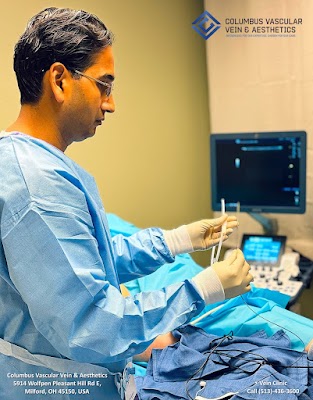
- Performs diagnostic duplex ultrasound in-house or partners closely with a vein ultrasound specialist. Treats the cause before the surface. A leg vein specialist should explain how reflux feeds visible veins and how closing the source improves durability of cosmetic work. Offers a full menu of options, not just one procedure. A varicose vein specialist who only performs a single technique tends to fit every problem to that tool.
I sometimes see patients who were told by a generalist that nothing can be done except lifelong compression socks. Compression is valuable, but it is not the only strategy. A vascular vein specialist can outline a stepwise plan that balances symptom relief, durable results, and downtime.
What happens during a vein screening visit
Most people expect a quick glance at their legs. A proper screening is more thoughtful, and no, it should not hurt.
- Conversation first. We map symptoms in time and space. When did swelling begin, what makes it worse, do you elevate, do you wake with cramps, any history of clots or pregnancies, how long do you sit or stand at work. Examination next. We check pulses, look for color changes, measure swelling, and gently trace tender veins. We may perform a bedside check called a calf squeeze test to ensure no acute red flags. Duplex ultrasound in standing or reverse Trendelenburg position. This is the core of venous evaluation, done by a vein imaging specialist, and it shows flow direction, valve function, and any obstruction. Risk review. Medications, hormones, travel plans, surgeries, and family history all play into clot risk and healing. Plan and education. We explain what we found and what it means. Most patients leave with a clear map of next steps, from conservative care to procedures.
Wear shorts or loose pants that roll above mid thigh. Skip heavy lotion the day of the test, which can impair ultrasound contact. If you already use compression socks, bring them, but do not wear them to the visit. We want to see the baseline first.
The core tools of a vein evaluation
Duplex ultrasound remains the gold standard for venous disease in the legs. It combines B-mode imaging to see the vessel and Doppler to measure flow. A vein diagnostics doctor will look for three broad issues:
Reflux. This is backward flow due to incompetent valves. We provoke flow by calf squeezes or asking you to do a brief Valsalva, and we time the reversal. Different labs use different cutoffs, typically in the half-second to one-second range for superficial veins. A venous reflux specialist will note which segments fail and where the reflux starts and stops.
Obstruction. Prior deep vein thrombosis can scar a vein and narrow it, even after the clot seems gone. Chronic venous obstruction behaves differently from reflux, and it can coexist. The vein reflux doctor watches for reduced compressibility, a narrowed lumen, or flow that detours through collaterals.
Thrombosis. An acute DVT requires prompt attention. Most screening visits do not uncover an urgent clot, but I have caught a few. If you have sudden leg swelling, warmth, and pain, screening becomes evaluation and treatment on the spot.
In select cases, we add ankle-brachial index testing to rule out arterial disease before prescribing compression. If the ABI is low, a circulation specialist doctor or vascular care doctor may address arteries first, then we return to veins once flow improves.
Sorting the common vein problems
Not every vein is the same, and treatment depends on the map.
Superficial spider veins. These tiny red or blue lines sit within the skin. They can itch or burn, yet most do not reflect deeper disease. A spider vein specialist treats them with surface sclerotherapy or a fine-tuned laser. If clusters sit over a feeding reticular vein or near the ankle, we often image to be sure.
Varicose veins from saphenous reflux. The great and small saphenous veins run along the inner thigh and back of the calf. Faulty valves here create ropey, twisting branches. A vein ablation specialist doctor closes the failing trunk with heat, glue, or a mechanical chemical method, then removes tributaries with micro-incisions or foam.
Chronic venous insufficiency. This is the broad term for long-standing reflux or obstruction causing edema, skin changes, or ulceration. A venous insufficiency specialist manages it with a combination of lifestyle measures, compression, targeted ablation, and sometimes deeper venous stenting if obstruction is severe. Not every clinic stents, and the decision depends on imaging well beyond a standard office ultrasound.
Superficial thrombophlebitis. A tender, reddened cord along a vein worries patients. It usually reflects clot in a superficial branch. A vein problem doctor confirms the extent on ultrasound, treats pain and inflammation, and ensures it does not extend near a deep system junction. The management shifts if the clot hugs the saphenofemoral or saphenopopliteal junction.
Venous ulcers. These open near the ankle where pressure is highest. Healing demands that we lower venous hypertension. Strong compression, wound care, and ablation of refluxing segments dramatically shorten healing time compared with dressings alone. Here, coordination among a venous care specialist, a wound nurse, and sometimes a peripheral vascular doctor makes the difference.
How we choose treatments that fit your life
Good vein care balances effectiveness, durability, safety, and your daily routine. A vein management doctor will lay out at least two paths when possible.
Conservative measures suit early disease or people not ready for procedures. Graduated compression socks, typically 15 to 20 or 20 to 30 mmHg, reduce swelling and aching. Calf-strengthening, weight management, leg elevation, and micro breaks from prolonged sitting help. These do not fix a failing valve, but they blunt symptoms well.
Office procedures target the cause. For saphenous reflux, thermal ablation with radiofrequency or laser boasts high closure rates, usually above 90 percent at one year based on contemporary series. Nonthermal options like mechanochemical ablation avoid tumescent anesthesia, and cyanoacrylate closure uses a small amount of medical adhesive to seal the vein. Ambulatory phlebectomy removes bulging branches through 2 to 3 millimeter nicks, and foam sclerotherapy treats smaller tributaries or recurrent clusters.
No single method wins every time. Thermal ablation has the longest track record and consistent outcomes, but requires tumescent anesthesia and post procedure compression. Glue closure avoids tumescence and can cvva.care vein doctor near me suit people who cannot tolerate needles well, yet some insurers limit coverage and rare inflammatory reactions occur. Mechanochemical ablation offers a middle road with rapid recovery, though long term data are still maturing in some populations. A careful vein intervention specialist will match anatomy, skin type, symptoms, and your goals.
Cosmetic work on spider veins is safe and gratifying when done at the right time. If a refluxing trunk feeds the area, doing surface injections first can lead to quicker recurrence. That is why a cosmetic vein specialist doctor may still recommend a diagnostic scan before scheduling injections, even for fine lines.
What treatment days really feel like
People worry about pain and downtime. Modern vein procedures focus on patient comfort. In my practice, a vein procedure specialist walks you through each step. You feel numbing at a few spots, pressure more than pain, and a gentle warmth with thermal techniques. After ablation, I ask patients to walk for 20 minutes before leaving. Most return to desk work the next day, with bruising that fades over one to three weeks.
For sclerotherapy, a vein injection specialist doctor uses fine needles and concentrations tailored to vein size. Sessions run 15 to 40 minutes. Sun avoidance helps reduce pigmentation. Expect a staged approach for dense networks, typically two to four sessions spaced a few weeks apart.
Ambulatory phlebectomy addresses bulky clusters through tiny incisions that usually do not need stitches. I advise avoiding heavy lifting for a week, but normal walking resumes immediately. Compression helps with comfort and swelling. Scars tend to blend with time, especially when placed in natural skin lines.
Special scenarios and edge cases
Pregnancy. Hormonal changes and uterine pressure worsen reflux. A doctor for venous disease focuses on conservative care during pregnancy and reserves procedures for after nursing, unless a complication forces earlier action.
Athletes and active jobs. A vein therapy specialist weighs timing around training cycles. Short runs and low impact exercise can resume quickly after most procedures. Contact sports and heavy squats may wait a bit longer to limit bruising.
Clot history. After a deep vein thrombosis, the deep system may carry less flow. Closing a refluxing superficial vein can still help, but a venous treatment doctor will confirm that the deep system is patent and that your anticoagulation plan is sound.
Arterial disease. Compression is helpful for veins but can be harmful if arterial flow is critically reduced. A vein and artery doctor will check pulses or ABI numbers. If arteries need work, we coordinate with a vascular medicine doctor or surgeon first.
Lymphedema. When swelling stems from the lymphatic system, vein procedures only partially help. A comprehensive vein doctor partners with lymphedema therapists for manual drainage, wraps, and exercises.
Insurance coverage and practical costs
Insurers often cover treatment for symptomatic venous reflux when conservative therapy has failed, typically documented over six to 12 weeks. Coverage varies by plan, and documentation matters. A vein consultation specialist will include photos, ultrasound maps, and a symptom timeline in your chart. Cosmetic spider vein work is rarely covered.
Ask up front about facility fees, ultrasound billing, and the number of sessions expected. Many centers bundle costs transparently. A center for vein treatment doctor should gladly share bills in plain language. If a clinic seems vague, keep asking until the numbers make sense.
How to choose the right clinic and team
Skill shows in the first conversation. The best vein care provider does not rush you to a procedure. They educate, map a plan, and respect your goals. Look for a licensed vein doctor who:
- Publishes or presents outcome data for their practice, not just generic statistics from device brochures. Offers both thermal and nonthermal options, plus phlebectomy and foam, and explains why one fits you. Performs or directly oversees diagnostic ultrasound, rather than outsourcing interpretation without review.
Titles you may see include vein medical specialist, vascular vein physician, venous health doctor, and interventional vein doctor. The differences lie in training paths, yet all can deliver excellent care if they work within a thoughtful, evidence based framework. If your case involves deep venous obstruction, you may also meet a peripheral vascular doctor with expertise in venous stenting. For complex ulcers, a vein disease expert who collaborates with wound care is invaluable.
Two short stories that stayed with me
A schoolteacher in her forties came for spider veins before summer. She dreaded shorts. During screening, her ultrasound showed reflux in the great saphenous vein, though her surface veins were tiny. We discussed two routes. She chose a brief radiofrequency ablation during spring break, wore compression for a week, and we did two quick sclerotherapy sessions after. By August, her legs felt lighter at the end of the day, and the fine webs around her knees had cleared. She told me she had not connected tired legs to those delicate lines. Neither would I without an ultrasound.
A retiree with a stubborn ankle sore arrived with a stack of dressings and months of frustration. His ABI was normal, the ultrasound showed reflux in both the great saphenous and a perforator vein near the ulcer bed. We closed the refluxing segments with a staged approach and paired that with targeted compression and wound care. The ulcer shrank by half in four weeks and closed in ten. He still wears light compression for travel, but he walks his dog every morning without pain. This is what early, accurate mapping can prevent in the first place.
Prevention that actually helps
Genetics and hormones set the baseline, yet daily habits steer symptoms. Keep your calves strong. They are your second heart. Short walking breaks every 45 to 60 minutes matter, even two to three minutes at a time. Elevate after long days on your feet. Hydration and weight control soften the load on your valves. If you stand for work, a vein care specialist can measure you for graduated compression that fits correctly. Ill fitting socks do little and can pinch.

Travel tips help too. On flights longer than two to three hours, move often, flex your ankles, and avoid sedating alcohol. If you have a higher clot risk due to prior events, hormones, or surgery, talk with a vein treatment physician or your primary clinician about tailored prevention for trips.
Where a screening fits into your health calendar
Think of a vein screening as you would an eye exam. If you have symptoms, go now. If you have a strong family history of varicose veins or had significant leg swelling during pregnancy, consider a baseline check in your thirties or forties, sooner if symptoms show up. If you have a nonhealing sore or rapid leg swelling, seek care promptly, ideally with a vein evaluation specialist who can perform same day ultrasound.
Patients sometimes ask whether they should see a doctor who treats varicose veins or a doctor who treats spider veins. The answer depends on whether the visible concern matches deeper disease. A certified vein specialist will not guess. They will check, explain, and then tailor. A good clinic for vein doctor services will also know when not to treat, especially for tiny veins that are likely to fade after weight loss or a medication change.
The language you will hear, demystified
Venous reflux means backward flow. Incompetent veins have valves that do not close. Perforators are short connectors between deep and superficial systems, and when they fail, they can feed skin damage. Ablation means closing a vein on purpose. It does not block blood flow to your foot, because healthy veins reroute immediately, and the diseased vein had been moving blood inefficiently anyway. A vein sealing procedure or vein closure treatment refers to these ablation techniques, whether by heat, glue, or chemical. Ambulatory phlebectomy removes bulging branches through tiny punctures. Foam therapy involves injecting a foamed sclerosant that displaces blood and treats the lining more effectively than liquid in larger veins.
Patients sometimes worry that closing veins will harm circulation. Your body has a rich network of superficial and deep pathways. A vascular medicine doctor will ensure the deep system is open before closing any major superficial conduit. When planned well, ablation improves overall venous circulation by removing leaky segments that cause pooling.
What a high quality report looks like
After your scan, ask for a plain English summary. A vein consultation specialist should provide:
- Which veins reflux and over what length, with reflux times in seconds. Whether any deep vein obstruction or residual clot was seen. The CEAP classification if you have chronic venous disease, which grades severity from C0 to C6. A clear, staged plan, for example: trial of compression and calf work, then ablation of the right great saphenous vein, then phlebectomy of clusters, followed by surface sclerotherapy as needed. Expected follow up timing and measures of success, like symptom scores and ultrasound confirmation.
This is not just paperwork. It structures care, prevents over treatment, and allows you to compare opinions if you seek a second view. A vein restoration doctor or vein solutions doctor should welcome questions and adjust steps to your threshold for downtime and your calendar.
The bottom line
Vein problems are common. Depending on the study and the population, a meaningful fraction of adults, often cited in the tens of percent, develop varicose veins or chronic venous symptoms at some point. The good news is that modern diagnosis and treatment are gentle, office based, and effective. You do not have to wait until a vein is painfully enlarged, or until a rash around the ankle turns into a sore, to ask for help.
If your legs feel heavy by evening, if socks leave deep marks, or if visible leg veins make you avoid clothes you once wore without a second thought, schedule a screening with an expert vein care provider. Whether that clinician lists their title as vein medical specialist, vascular vein specialist, or expert in venous disorders matters less than the thoroughness of their evaluation and the clarity of their plan. Early mapping, early conversations, and targeted steps now save procedures, sick days, and worries later. Your veins do their best work quietly, and with the right guidance, they can get back to that.